


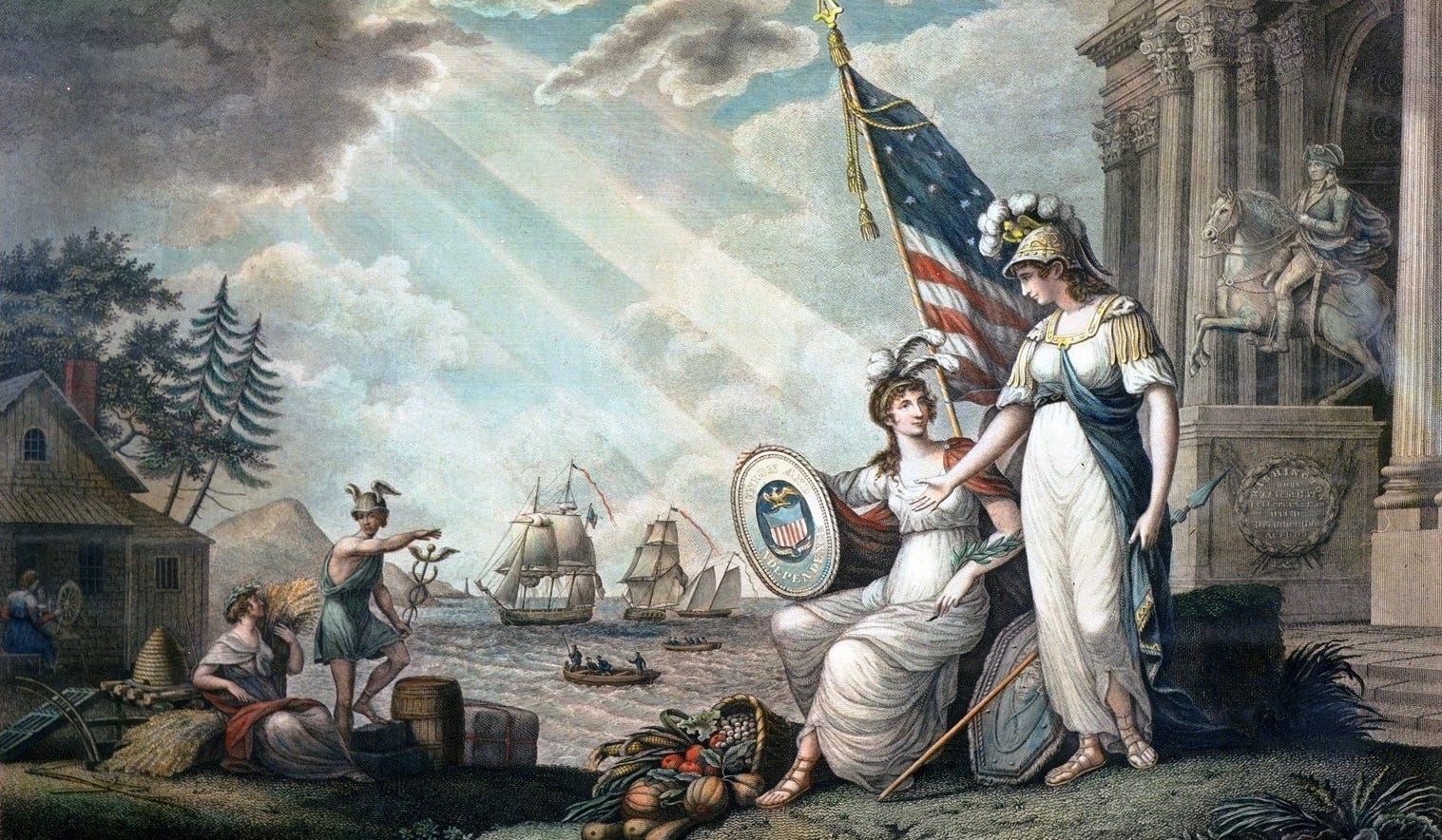
I’ve been digging into the world surrounding Joseph Smith’s birth in 1805, trying to understand the worldview, pressures, and anticipations of early-republic New England. This is not an area of expertise for me, so it’s a bit overwhelming. But the more I’ve learned, the more I’m convinced I underestimated just how strange and accelerated that era really was.
Here are five things I learned that helped me feel the texture of Joseph’s world a little more clearly.
Hopefully, they help you, too.
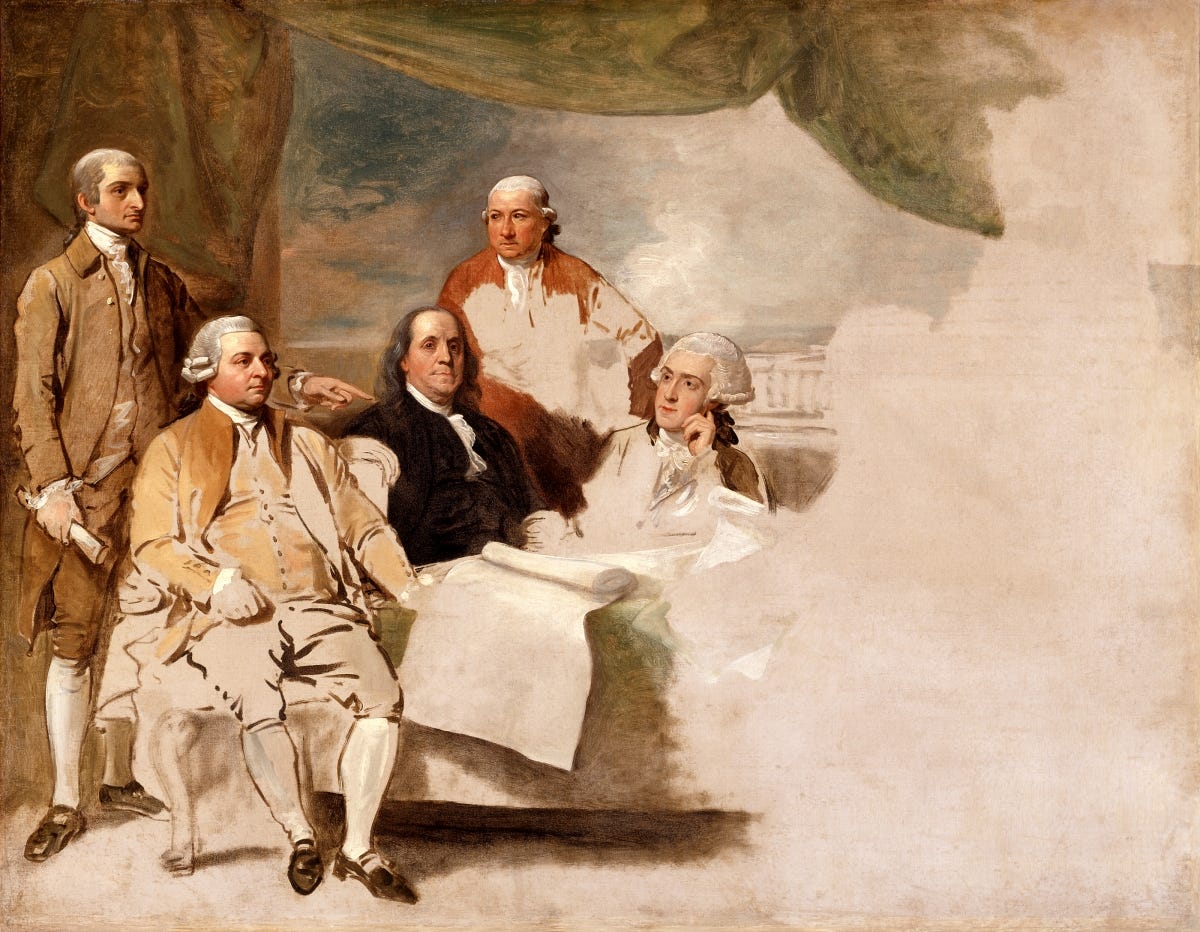
1. The distance between Joseph Smith and the American Revolution isn’t as long as it seems.
Joseph was born just two decades after the Treaty of Paris ended the Revolutionary War. For perspective, that’s roughly the same distance between 9/11 and the Covid-19 pandemic. That’s how immediate the nation’s founding struggles still felt. Veterans were still talking about the war during Joseph’s childhood, being closer to the American Revolution than we are to Desert Storm. In fact, Joseph’s grandfathers—Solomon Mack and Asael Smith—both fought in the war, and possibly relayed their experiences to him (Solomon wrote about it in his memoir).
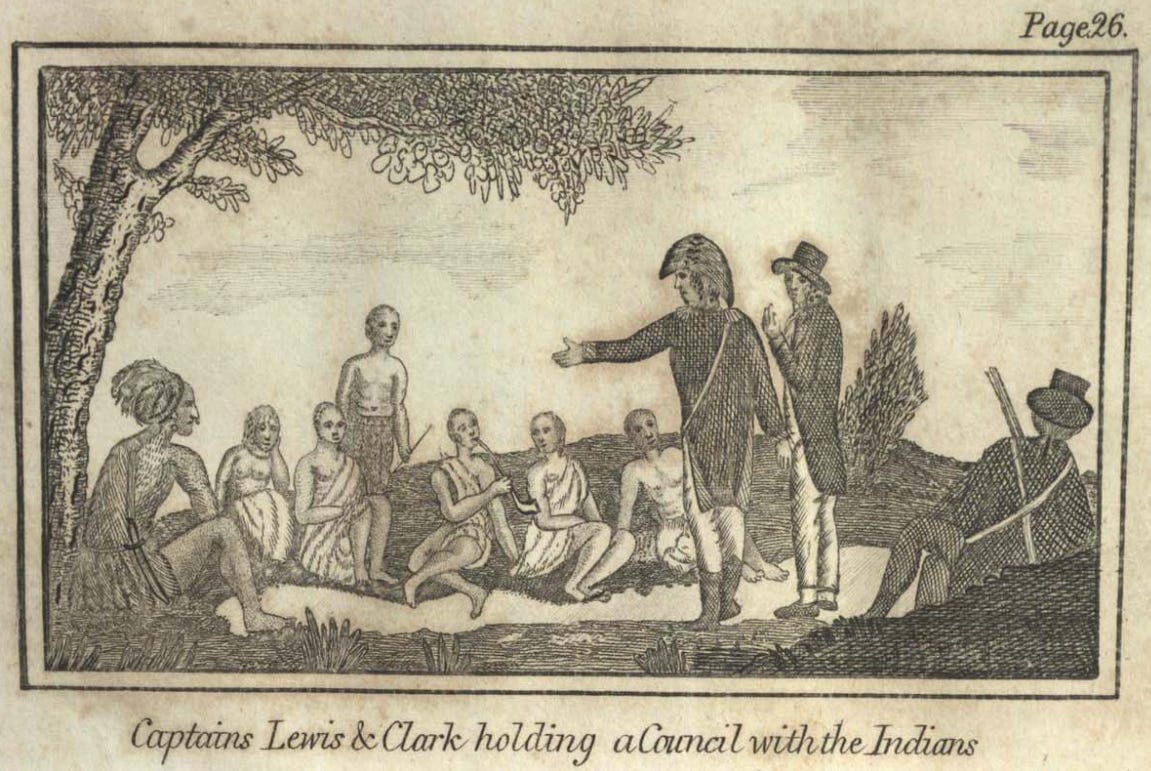
2. The month before Joseph Smith was born, Lewis and Clark reached the Pacific Ocean.
In November 1805, after a grueling, continent-spanning journey through newly purchased territory, the Corps of Discovery stood at the western edge of lands the United States had claimed only two years earlier through the Louisiana Purchase. Their survival and success depended heavily on Indigenous guidance, most famously that of Sacagawea, whose knowledge of terrain, languages, and diplomacy proved to be indispensable. Joseph arrived a few weeks later into a nation just beginning to grasp the scale of what it had acquired. America had touched its western horizon, but it barely understood what that horizon meant.
3. Joseph Smith was born the same month as one of Napoleon’s most consequential victories, heightening a climate already charged with eschatological anxiety.
He entered the world in December 1805, the same month as the Battle of Austerlitz, when Napoleon crushed the combined Russian and Austrian forces and dramatically reordered the map of Europe. Americans followed these sorts of conflicts closely, not only because of their political and economic implications, but also through a distinctly apocalyptic imagination shaped by biblical language about “wars and rumors of wars.” European upheaval registered in American religious thought as a possible signal that history itself was nearing its close, heightening millenarian anticipation.
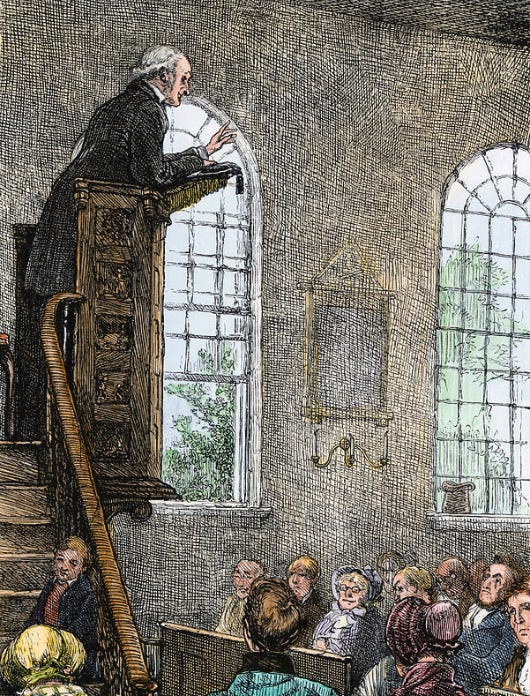
4. When Joseph was two, Vermont became the first New England state to end religious taxation.
In 1807, the state abolished its ministerial tax, severing one of the last formal ties between church and public funding in the region and making religious support entirely voluntary. This marked a decisive shift away from inherited parish Christianity to a more persuasion-based form. Without state backing, clergy had to compete for members and resources. And as the frontier expanded westward, denominations scrambled to establish presence in new settlements, often clashing over theological differences that had previously been contained within colonial borders. No wonder Joseph would later report on the cacophony of denominationalism; it was practically structural at that point. Throw on top of it all the Second Great Awakening, and later, Joseph living in the “Burned-Over District” to boot.
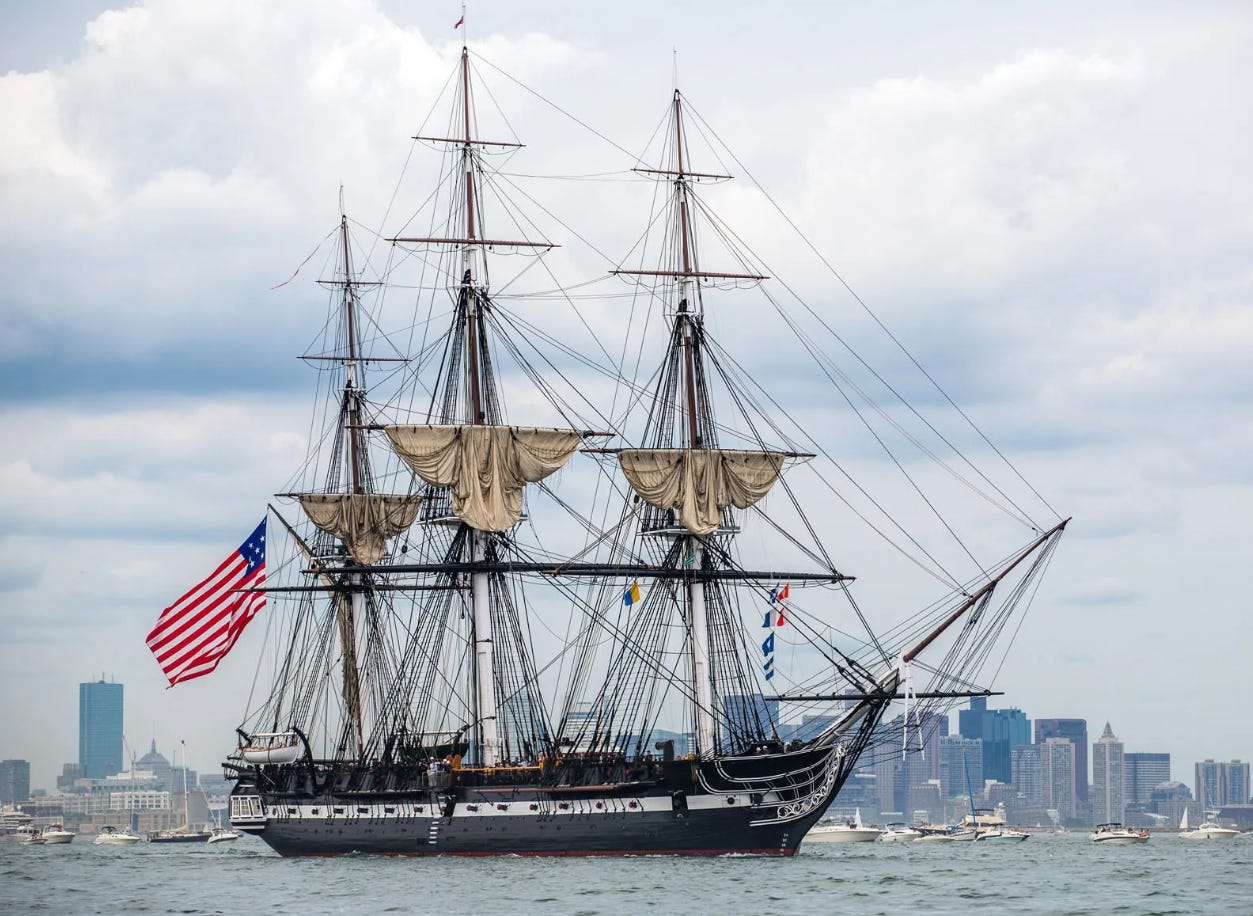
5. One of the most iconic ships in American history was already out policing the Mediterranean.
By the time Joseph was born, the USS Constitution, later nicknamed “Old Ironsides,” had defeated Barbary corsairs, and helped bring the First Barbary War (1801–1805) to a close. The ship came to symbolize something about the young nation, that America’s independence was not just something they declared, but it was something they now defended.
Fun fact: you can still visit that same ship today in Boston.
Ok, so, what’s the takeaway?
For me, it’s a greater understanding of the world in which Joseph Smith was born and raised. It was one in constant motion, seeking stability but struggling to find it. Nothing about it was stable, not really. Politics, faith, commerce, and imagination were being all renegotiated all at once.
No wonder he became convinced that God would intervene in history.
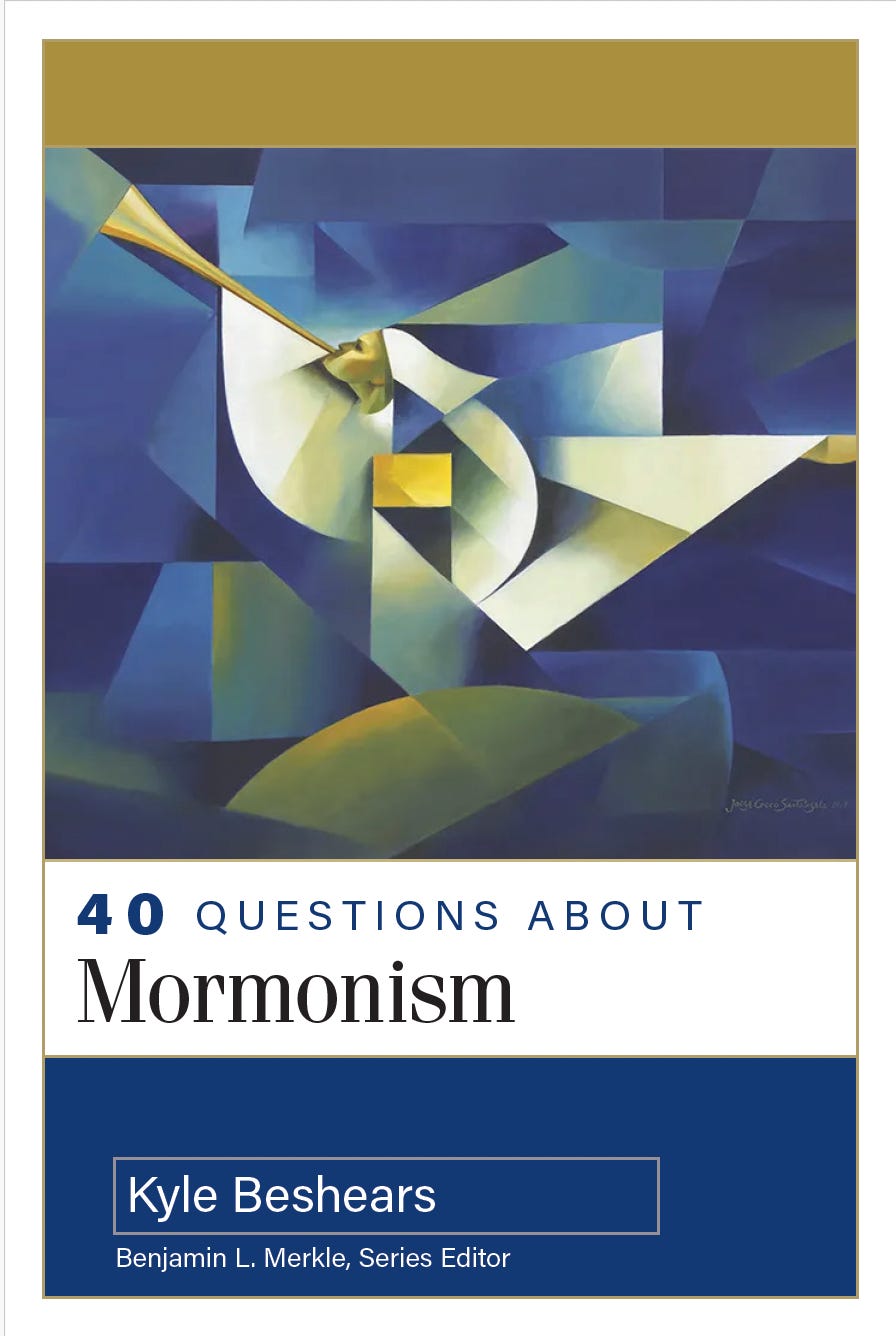
📘 Coming February 2026: 40 Questions About Mormonism
If you’ve appreciated this essay, you’ll love my forthcoming book, 40 Questions About Mormonism (Kregel Academic). It’s written for traditional Christians who want clear, charitable, and biblically faithful answers to the most common questions about the Latter-day Saint faith and tradition.
PRE-ORDER TODAY and download three free chapters while you wait.
A couple of other interesting facts: Joseph Smith's mother was a Federalist during a time when folks for states' rights and others who desired a strong central government strongly opposed each other. The family was forced out of Vermont with many others whose crops failed because of the "winter without a summer," the result of the eruption of Mt. Tambora, which caused bitter cold there and in Europe. Many people starved, especially in Europe, because of this volcano. Joseph, then a child, walked most of the way to PA/NY in June, through snow, limping because of a previous surgery on his leg.
Love it! I hadn’t realized that state taxation for religion was just then ending. Sociologist Rodney Stark claimed that religion thrives in an open market, and the enthusiasm dies under state control. Your notes here align with that thesis.